Substitution CorridorsAnalysis
CEVA Almajdouie and Port of NEOM partner on cross-border cargo
Agreement combines Red Sea maritime access with inland trucking and warehousing to restore freight connectivity.
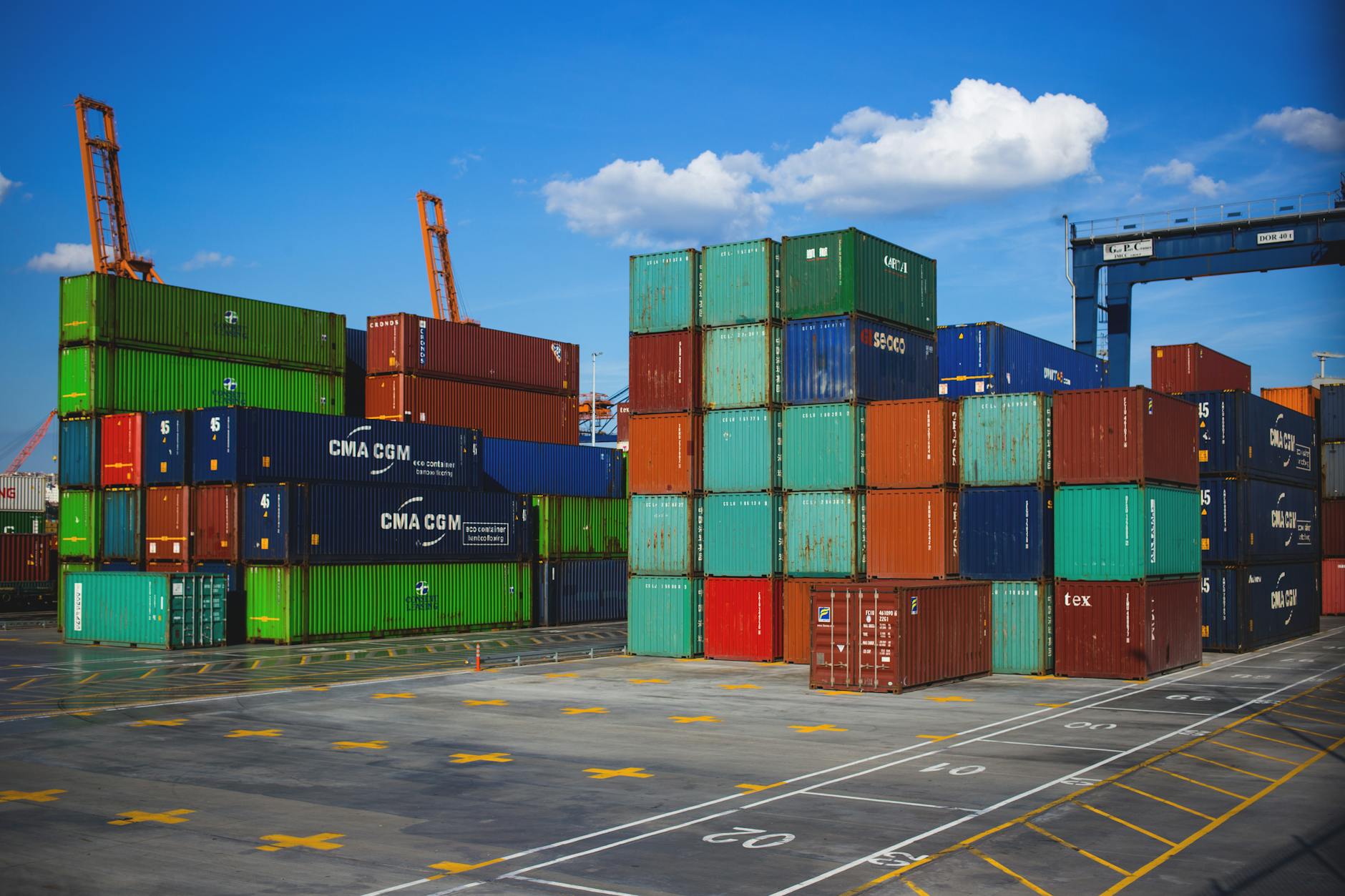
CEVA Almajdouie Logistics has entered a partnership with Port of NEOM to strengthen cross-border cargo movement through combined maritime and inland logistics services. The collaboration was announced in January 2025 and integrates Red Sea maritime access with trucking, warehousing and customs services.
Red Sea maritime access combined with inland services#
The partnership connects Port of NEOM's Red Sea terminal capacity with CEVA Almajdouie's inland transport and warehousing network. The arrangement is designed to provide freight connectivity across regional and international markets through a single service offering. CEVA Almajdouie operates trucking and warehousing infrastructure across Saudi Arabia and neighbouring markets. Port of NEOM provides maritime access on the Red Sea coast. The partnership combines these two elements into a coordinated service for cargo moving between sea and inland destinations.
Disruptions reshape regional cargo routing#
Disruptions in the Gulf of Aden and the Strait of Hormuz have reshaped cargo flows across the Gulf and Red Sea regions, according to Saji Manikanta, managing director of Inmar Shipping & Logistics. Dry bulk and container movements to and from Gulf ports have come to a near standstill. Cargo flows to and from Saudi ports via the Red Sea have been severely affected. Ports including Fujairah, Sohar and Khor Fakkan have taken on renewed importance as alternative gateways, with overland transportation used to reach destinations across the Gulf.
Infrastructure strain from oversized project cargo#
The region's road and rail infrastructure remains limited for moving oversized project cargo, Manikanta stated. Historically, shipments of this scale moved by sea, so overland networks were not developed to handle them. The shift in routing has placed strain on existing infrastructure, which is now absorbing volumes and dimensions it was not designed to support. Moving oversized project cargo in this environment requires meticulous planning and coordination across every leg of the journey.
Technology improves route planning and visibility#
Technology is enabling better planning and connectivity across ocean and land transportation, Manikanta said. It allows logistics providers to plan routes more effectively, anticipate weather conditions, identify port congestion and evaluate alternative ports and routes in advance. The technology provides clients with greater visibility on how cargo is moving from origin to final delivery. In a volatile operating environment, that foresight helps reduce the risk of delays and supports informed decision-making.
Sources2 sources across 2 domains
- logisticsmiddleeast.comLogistics Middle EastCEVA Almajdouie Logistics partnership with Port of NEOM combining Red Sea maritime access with inland trucking, warehousing and customs services
- meed.comMEEDDisruptions to Strait of Hormuz and Gulf of Aden affecting dry bulk and container movements; ports including Fujairah, Sohar and Khor Fakkan serving as alternative gateways; infrastructure limitations for oversized project cargo; technology enabling better route planning and visibility
Each source above carries the claim it supports. Links open the publisher's own page; their text is not reproduced here beyond what the claim requires, and their rights remain theirs.
MENA Trade Monitor is published by Arabian Media Network. Pieces are produced by the Chokepoint Watch with AI-assisted synthesis of the cited sources and automated verification against the network's editorial policy. Every piece carries a desk rather than a reporter. Corrections are recorded on the piece and on the corrections page.
Transits, closures, advisories, war risk premia and rerouting cost for Hormuz, Bab el-Mandeb and Suez. Same day, same shape, always numbers.