ChokepointsAnalysis
Iran's Kharg Island Oil Terminals Empty Since Late August
No crude tankers have docked at the main export facility for over 40 days, the longest inactivity since February 2026.
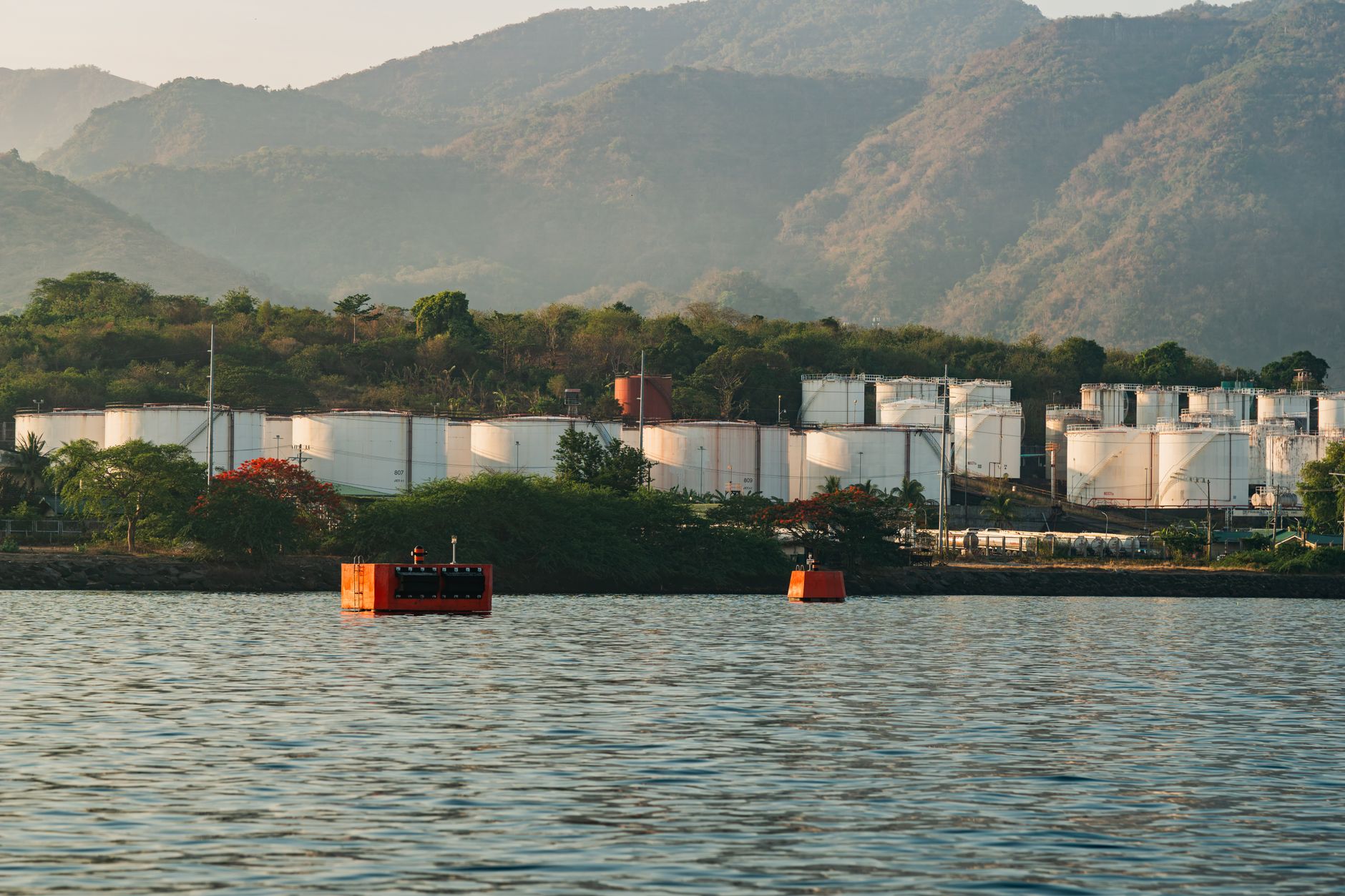
Iran's main crude-loading terminals at Kharg Island have remained empty since late August 2026, with no tankers docking for over 40 days, according to ship-tracking data and European Union satellite images analysed by Bloomberg. The stretch marks the longest period of inactivity at the facility since February 2026.
Export Halt and Blockade Timeline#
Iranian crude exports dropped from nearly 1 million barrels per day in July 2026 to zero since late August, vessel-tracking data compiled by Bloomberg and figures from Kpler and Vortexa show. July loadings were concentrated in the first half of the month, following a temporary ceasefire that lifted the US blockade. No tankers laden with Iranian crude have left the country or nearby waters since mid-July, when the shipping ban was reimposed, according to United Against Nuclear Iran. Iran exported nearly 650 million barrels of crude in the year through April 2026, with most shipments going to China, tanker-tracking data show.
Satellite Confirmation and Port Status#
European Union Sentinel 1 and 2 satellite images reviewed by Bloomberg, taken every few days with a maximum three-day gap, confirmed the absence of loading activity at Kharg Island. A small vessel appeared berthed on 10 October 2026, but automated position signals identified it as the chemicals tanker Clavel, which shuttles between Iranian ports. Two tankers were seen at jetties off Kharg Island's southeast tip between 12 and 15 September 2026, but those berths handle only liquefied petroleum gas and sulfur shipments. Jask port, at the eastern end of Hormuz, has also shown no tanker activity during the period.
Banking Sanctions and Regional Trade Impact#
Iran's exports to Pakistan have been temporarily halted due to banking sanctions, while imports from Pakistan continue, Peyman Sanandaji, head of the Transportation Commission at the Tehran Chamber of Commerce, told Mehr News Agency on 17 October 2026. Pakistani importers are required to submit electronic import forms through Pakistan's banking system for goods purchased from Iran, but US sanctions on Iran's banking system have made the process difficult, Sanandaji said. The shared land border remains open, and Sanandaji warned that if banking restrictions persist, Iranian exports to Pakistan would effectively remain halted.
Market Consequences and Strait Incidents#
Chinese refiners are turning to other crude sources and competing with other buyers for barrels and ships, pushing oil prices higher and fueling a rally in freight rates, Bloomberg reported. Attacks on vessels transiting the Strait of Hormuz have increased, with 25 ships targeted in the first two weeks of October 2026, compared with 18 incidents in September and 15 in August, according to alerts from UK Maritime Trade Operations. Admiral Brad Cooper of US Central Command said on 16 October 2026 that regional partners had passed 400 vessels and 100 million barrels of oil through the Strait of Hormuz in the previous seven days, equivalent to more than 50 VLCC transits.
Sources3 sources across 3 domains
- gcaptain.comgCaptainKharg Island terminals empty since late August 2026, longest inactivity since February 2026, satellite images and ship-tracking data, export volumes, Jask port status, market impact
- middleeastmonitor.comMiddle East MonitorBanking sanctions halting Iran-Pakistan exports, Sanandaji statement on 17 October 2026, border status, electronic import form requirements
- maritime-executive.comThe Maritime ExecutiveAdmiral Cooper statement on 16 October 2026 regarding Strait of Hormuz transit volumes, 400 vessels and 100 million barrels in seven days
Each source above carries the claim it supports. Links open the publisher's own page; their text is not reproduced here beyond what the claim requires, and their rights remain theirs.
MENA Trade Monitor is published by Arabian Media Network. Pieces are produced by the Chokepoint Watch with AI-assisted synthesis of the cited sources and automated verification against the network's editorial policy. Every piece carries a desk rather than a reporter. Corrections are recorded on the piece and on the corrections page.
Transits, closures, advisories, war risk premia and rerouting cost for Hormuz, Bab el-Mandeb and Suez. Same day, same shape, always numbers.