
Shipping costs hit $40.50 per barrel on U.S.-Japan oil route
Freight now accounts for over 40 percent of U.S. crude price, up from 7 percent average in 2025.
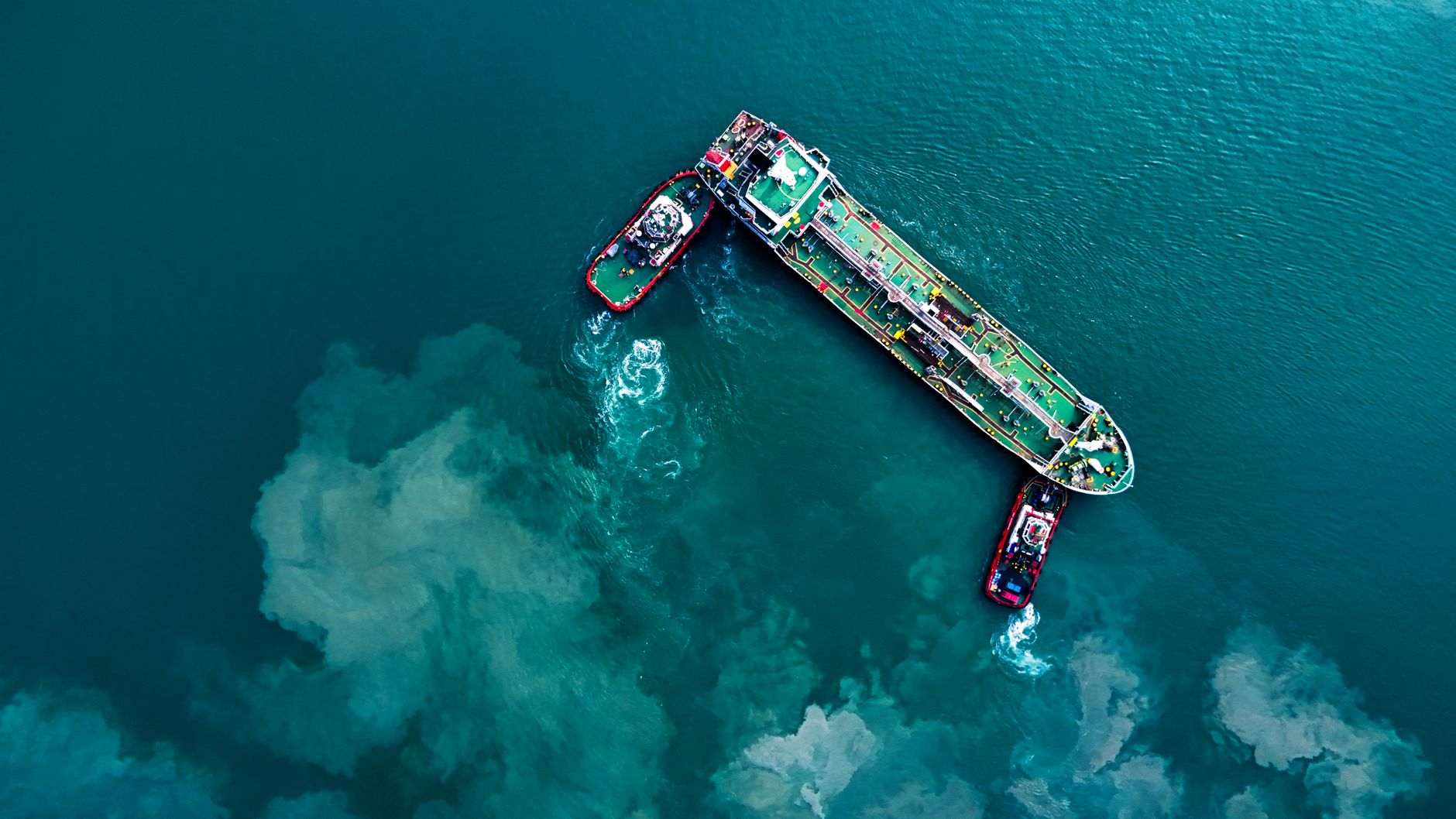
Oil shipping costs from the United States to Japan reached $40.50 per barrel in late November 2026, nine times the rate recorded in 2025, according to Reuters calculations based on the voyage of the supertanker Esteem Explorer. The vessel's journey carrying 2 million barrels of crude will cost $81 million, compared with an average $9.1 million for the same route last year. Freight rates now account for more than 40 percent of the price of U.S. oil, based on a crude price around $95 per barrel on 15 October, compared with 7 percent on average in 2025, according to LSEG shipping and oil price data.
Middle East routes record $33 per barrel freight#
Rates to move oil from the Strait of Hormuz and the Red Sea to Asia surged to a record high around $34 per barrel in mid-October 2026, as shippers priced in a risk premium for attacks on vessels related to the U.S.-Iran conflict. VLCC rates from the Gulf to China initially jumped from around $4 per barrel to $17 per barrel after the war began in March, before easing to $11 to $12 per barrel through April to July. The expiry of the U.S.-Iran ceasefire in August triggered another steep increase, taking freight to $33 per barrel by late September and pushing landed costs from the Middle Eastern Gulf to around $140 per barrel in China, according to Oilprice.com. For Japan and South Korea, landed costs reached around $145 per barrel.
Smaller vessel rates quadruple since February#
Freight rates have quadrupled since the Iran war began in February for Suezmax ships, which can carry up to 1 million barrels of oil, on routes between the U.S. Gulf Coast and Asia, and for Aframaxes, which carry up to 750,000 barrels, on the U.S. Gulf Coast to Europe route, according to Signal Ocean data reported by Reuters. The shortage of very large crude carriers has lifted prices for smaller vessels as shippers adopt ship-to-ship transfer strategies to reduce attack risks. Ships are sailing longer routes than before to avoid conflict zones, tying up tankers for extended periods and reducing vessel availability.
Producers cut differentials as refiners resist high landed costs#
Saudi Aramco set the November official selling price for Arab Light at a $5 per barrel discount to Oman/Dubai, helping partially offset the $10 to $15 per barrel cost of shipping barrels outside the Strait of Hormuz. From Sohar, where most of Saudi Aramco's ship-to-ship transactions take place, Saudi barrels are being sold on a spot basis at reported Dubai plus $5 per barrel, though onward freight still pushes landed cost in China above $130 per barrel, according to Oilprice.com. Aramco is fixing differentials for loading roughly two months later to secure buyers while leaving eventual netback exposed to freight, with persistently high rates potentially limiting or erasing the seller's margin.
Sources2 sources across 2 domains
- gcaptain.comgCaptainU.S.-Japan route cost $81 million versus $9.1 million last year, $40.50 per barrel rate, freight now over 40% of U.S. oil price versus 7% in 2025, Hormuz-Asia rates hit $34/bbl, Suezmax and Aframax rates quadrupled since February
- oilprice.comOilPrice.comVLCC rates Gulf-China $4/bbl to $17/bbl then $11-12/bbl April-July, $33/bbl late September, landed costs China $140/bbl, Japan/Korea $145/bbl, Yanbu-China $28/bbl mid-October, Saudi November OSP $5/bbl discount to Oman/Dubai, Sohar spot sales Dubai plus $5/bbl
Each source above carries the claim it supports. Links open the publisher's own page; their text is not reproduced here beyond what the claim requires, and their rights remain theirs.
MENA Trade Monitor is published by Arabian Media Network. Pieces are produced by the Chokepoint Watch with AI-assisted synthesis of the cited sources and automated verification against the network's editorial policy. Every piece carries a desk rather than a reporter. Corrections are recorded on the piece and on the corrections page.
Transits, closures, advisories, war risk premia and rerouting cost for Hormuz, Bab el-Mandeb and Suez. Same day, same shape, always numbers.