
ChokepointsData
Dry bulk voyage times up 19% since 2020 as slow steaming tightens fleet
Average laden voyage now runs 22.42 days, removing effective capacity as freight rates surge to multi-year highs.
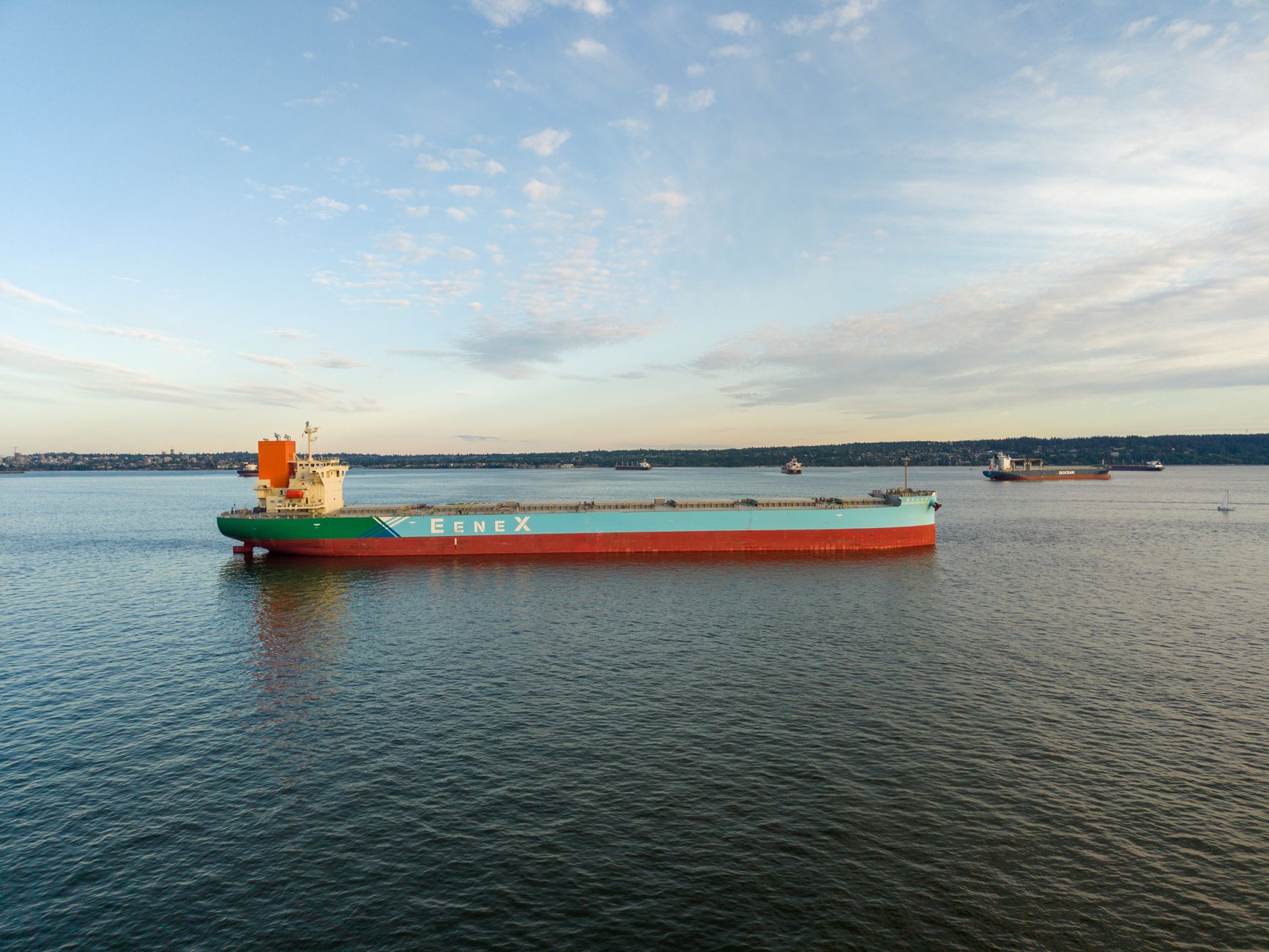
Dry bulk carriers are spending 19.1 percent longer at sea than at the start of the decade while travelling more slowly, removing effective capacity from the global fleet as freight rates climb to multi-year highs. Analysis from Greece's Ursa Shipbrokers using AXSMarine tracking data for bulk carriers above 20,000 dwt shows the average laden voyage lasted 22.42 days in June 2026, up 5.3 percent from a year earlier and 19.1 percent longer than in January 2020. Every monthly reading during the first half of 2026 exceeded the corresponding month in each of the previous six years.
Fleet speed falls 9.4 percent from 2021 peak#
Average laden speed stood at 10.67 knots in June, down 2.2 percent from January 2020 and 9.4 percent below the peak reached in August 2021, according to the Ursa data. Ballast speeds averaged 11.37 knots, 6.7 percent below their October 2021 peak. The combination of longer voyages and slower speeds means each vessel is completing fewer transport cycles per year than it did in 2020, tightening the effective supply of tonnage available to the market. The shift has coincided with capesize freight rates climbing above 55,000 dollars per day this month, the strongest spell in years for the dry bulk sector.
Longer trading distances accelerate from 2023#
The extension in voyage times accelerated from 2023 as drought restrictions at the Panama Canal and attacks on merchant shipping in the Red Sea forced vessels onto longer routes, Ursa reported. Wars, sanctions and changes in commodity sourcing have subsequently rewritten trading patterns further, adding distance and duration to typical dry bulk voyages. The Baltic dry index fell 1.8 percent to 3,445 on Monday, extending losses for the third session to its lowest level since 2 September, according to Trading Economics data. The capesize index declined 2.8 percent to 5,912, while the panamax index went down 0.6 percent to 2,393. The supramax index increased 0.4 percent to 1,725.
Hormuz transits drop as Gulf anchoring crisis deepens#
The number of commodity ships passing through the Strait of Hormuz fell to fewer than 10 per day over the weekend, according to early ship-tracking data released Monday, lower than the 10-day average of 14 ships per day. AIS data gathered by MarineTraffic and reported by Weathernews put the number of stranded vessels in the Arabian Gulf at 958 as of mid-June 2026, with 63 percent idle for 100 days or more. Prolonged idling changes hull conditions in ways that carry operational and environmental consequences long after a vessel resumes trading, with marine growth adding roughness and drag to hulls built to move through water. Jotun's 2025 survey of 1,000 shipowners and operators found 50.4 percent of respondents had already experienced higher fuel consumption and lower operational efficiency as a result of poor biofouling management.
Biofouling penalties and port access restrictions rise#
Forty-one percent of respondents in the Jotun survey faced regulatory penalties linked to biofouling, and 38 percent had been denied port access because of non-compliance. Forty-nine percent reported they now bypass ports with stringent biofouling requirements altogether. Under Australia's Biosecurity Act 2015 and its biofouling management requirements, vessel operators can demonstrate proactive management by cleaning all biofouling within 30 days prior to arrival, implementing an effective Biofouling Management Plan and Record Book, or using an alternative biofouling management method pre-approved by the Department of Agriculture, Fisheries and Forestry. Warm water year-round in the Arabian Gulf speeds up the growth cycle for algae, barnacles and other fouling organisms, with busy ports, heavy industry and coastal runoff boosting nutrients in the water.
Sources3 sources across 3 domains
- splash247.comSplash247Average laden voyage lasted 22.42 days in June 2026, up 19.1% from January 2020; average laden speed 10.67 knots, down 9.4% from August 2021 peak
- hellenicshippingnews.comHellenic Shipping NewsBaltic dry index fell 1.8% to 3,445; fewer than 10 commodity ships per day transited Strait of Hormuz over weekend, down from 10-day average of 14
- maritime-executive.comMaritime Executive958 vessels stranded in Arabian Gulf as of mid-June 2026, 63% idle for 100 days or more; Jotun survey found 50.4% experienced higher fuel consumption from biofouling
Each source above carries the claim it supports. Links open the publisher's own page; their text is not reproduced here beyond what the claim requires, and their rights remain theirs.
MENA Trade Monitor is published by Arabian Media Network. Pieces are produced by the Chokepoint Watch with AI-assisted synthesis of the cited sources and automated verification against the network's editorial policy. Every piece carries a desk rather than a reporter. Corrections are recorded on the piece and on the corrections page.
Transits, closures, advisories, war risk premia and rerouting cost for Hormuz, Bab el-Mandeb and Suez. Same day, same shape, always numbers.