
ChokepointsData
Container reliability drops to 56.4% as Asian port congestion spreads
Average delay for late arrivals climbed to 6.06 days in July 2026, with Shanghai recording just 21% on-time performance.
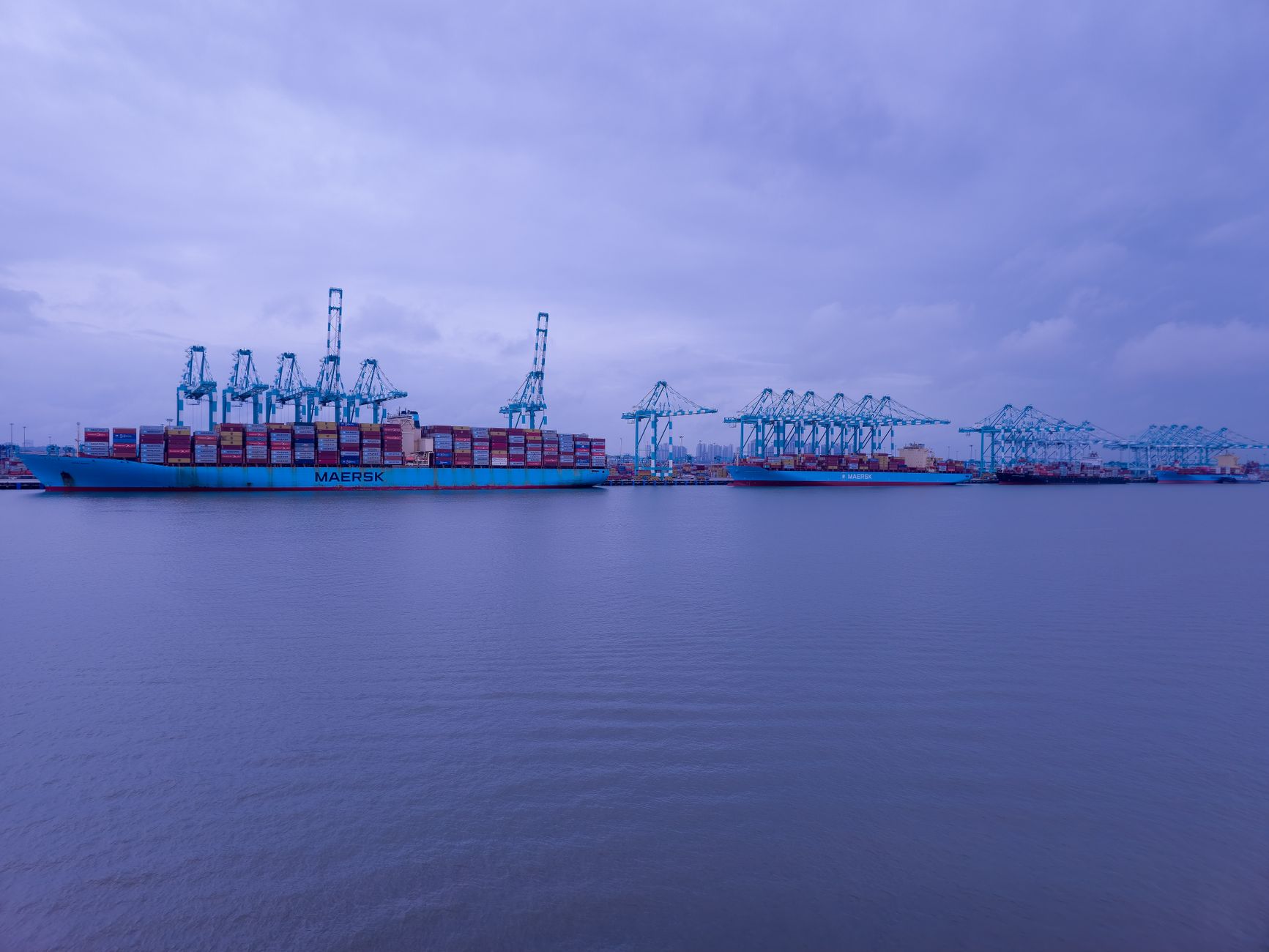
Container schedule reliability posts sharpest drop since 2021#
Global container vessel schedule reliability fell to 56.4% in July 2026, a decline of 6.1 percentage points from June, according to Sea-Intelligence. The average delay for late vessel arrivals climbed to 6.06 days, up 0.59 days month-on-month. The Copenhagen-based analyst described the July figure as the sharpest single-month decline since January 2021.
Congestion across major Asian ports drove the drop. All 14 of the region's busiest ports recorded a decrease in on-time vessel arrivals during the month.
Yantian, Hong Kong and Ningbo record steepest declines#
Yantian schedule reliability fell 23.5 percentage points to 48.3% in July. Hong Kong dropped 20.4 percentage points to 51.6%, and Ningbo saw reliability fall 20.1 percentage points to 34.6%, Sea-Intelligence reported.
Shanghai recorded a 19.2 percentage point decline, leaving just 21% of container vessels arriving at the world's busiest port on time in July 2026. Alan Murphy, CEO of Sea-Intelligence, said that outside of extreme pandemic-era supply chain disruptions, schedule reliability in Shanghai has never dropped this low in 14 years of recorded data.
Singapore, Port Klang and Busan also weaker#
Singapore posted on-time reliability of 43.2% after a 5.7 percentage point drop from June. Port Klang recorded 33.3% reliability, and Busan fell to 40.9%, according to the Sea-Intelligence report.
With more than half of incoming vessels delayed at the region's busiest ports, the backlog will cascade through the maritime network, Sea-Intelligence said. The analyst expects the congestion to trigger a new wave of delays for critical headhaul trade lanes in the coming months.
Delay duration rises alongside reliability drop#
The average delay for late arrivals increased to 6.06 days in July 2026, up from 5.47 days in June. The combination of lower reliability and longer delays marks the most significant deterioration in container vessel schedule performance since the early months of 2021, when pandemic-related disruptions were at their peak.
Sea-Intelligence tracks schedule reliability across global container shipping routes using vessel arrival data from major ports. The July 2026 figures reflect performance measured against published schedules.
Sources2 sources across 2 domains
- freightwaves.comFreightWavesGlobal container vessel schedule reliability dropped to 56.4% in July 2026, down 6.1pp M/M; average delay rose to 6.06 days; sharpest decline since January 2021
- container-news.comContainer NewsAll 14 major Asian ports saw decreased on-time arrivals; Yantian fell 23.5pp to 48.3%, Hong Kong 20.4pp to 51.6%, Ningbo 20.1pp to 34.6%, Shanghai 19.2pp to 21%
Each source above carries the claim it supports. Links open the publisher's own page; their text is not reproduced here beyond what the claim requires, and their rights remain theirs.
MENA Trade Monitor is published by Arabian Media Network. Pieces are produced by the Chokepoint Watch with AI-assisted synthesis of the cited sources and automated verification against the network's editorial policy. Every piece carries a desk rather than a reporter. Corrections are recorded on the piece and on the corrections page.
Transits, closures, advisories, war risk premia and rerouting cost for Hormuz, Bab el-Mandeb and Suez. Same day, same shape, always numbers.