
Far East to Europe spot rates rise 6.8% as demand outpaces Red Sea capacity return
Xeneta reports North Europe rates up 6.8 percent and Mediterranean 5.8 percent week-on-week despite Suez service restoration freeing fleet capacity.
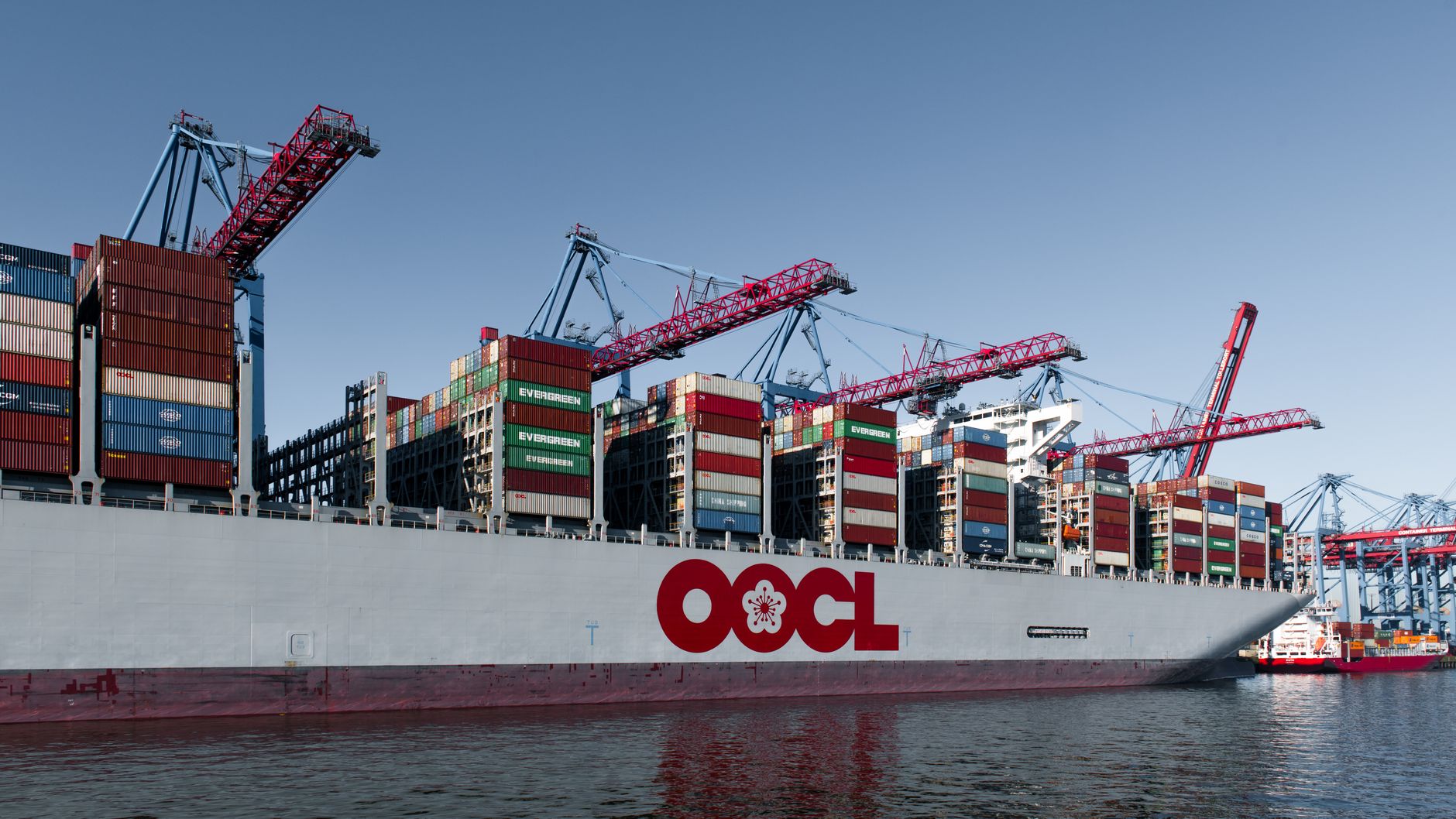
Container spot rates from the Far East to Europe rose in the week to 23 October despite the continuing return of shipping services through the Red Sea, as demand growth outpaced the capacity released by shorter Suez Canal routings. Xeneta reported North Europe rates up 6.8 percent week-on-week and Mediterranean rates up 5.8 percent, reversing a steady decline since July. The figures were published in the company's weekly ocean container shipping market update on 23 October.
Demand growth absorbs returning capacity#
Volumes shipped from the Far East to Europe rose 12.2 percent in the first seven months of 2026 compared with the same period in 2025, Xeneta Chief Analyst Peter Sand said. That demand strength has prevented the rate collapse that would ordinarily follow a capacity increase, he said. Spot rates into North Europe stood 67 percent above pre-Hormuz crisis levels recorded on 28 February, and Mediterranean rates remained 33 percent higher. The Maersk and Hapag-Lloyd Gemini Cooperation expects to return nearly all its services to Suez routings during the first quarter of 2027, Hapag-Lloyd Chief Executive Rolf Habben Jansen said in recent public comments reported by FreightWaves on 20 October.
Suez recovery advances despite Middle East security risks#
Container lines are steadily restoring services through the Suez Canal after the widespread diversions that began in late 2023, despite persistent security risks in the Middle East. Liner analyst Lars Jensen estimated that Suez routing had returned to roughly 30 to 35 percent of normal across the market, with the recovery slightly further advanced on backhaul voyages than on headhaul sailings, FreightWaves reported. Containerships moved 2.19 million TEU through the Suez Canal in September, the most since the Houthi campaign began, Lloyd's List Intelligence reported on 15 October, and Linerlytica expects carriers to be fully back to Suez by the first quarter of 2027. The Gemini partners plan to introduce another Asia-Mediterranean service through Suez in November, designated AE18 by Maersk and SE5 by Hapag-Lloyd, connecting Chinese ports with western Mediterranean transshipment hubs, with its first sailing scheduled to leave Shanghai on 22 November.
US trades flat as European fronthauls hold#
Spot rates from the Far East to the US West Coast and US East Coast were essentially flat week-on-week, up 0.2 percent on both trades, confirming the US trades have peaked and are expected to soften through the remainder of 2026, Sand said. The Far East to US West Coast rate stood at USD 8,311 per FEU on 23 October, up 342 percent from pre-Hormuz crisis levels on 28 February. Spot rates into the US East Coast remained more than three times those into North Europe, Xeneta reported. Carriers' decisions to resume Suez transits may reflect the combined pressure of elevated bunker costs and terminal delays, FreightWaves reported.
Phased return limits port disruption risk#
Gradual restoration of Suez services allows terminals to absorb vessels arriving on shorter schedules without the congestion and timetable failures a rapid fleet-wide switch could produce, FreightWaves reported. Jansen said the incremental approach Gemini adopted has enabled the partnership to handle cargo volumes at its European and Mediterranean terminals without encountering serious operational difficulties to date. Services are returning during months when Asia-Europe cargo demand typically runs below the July peak, which reduces the strain on port infrastructure compared with a transition undertaken during high season. Congestion at terminals still ties up some vessel capacity, though delays at the largest Asian ports have begun to ease, offsetting part of the capacity gain from faster Suez transits.
Sources3 sources across 3 domains
- hellenicshippingnews.comHellenic Shipping NewsXeneta spot rate figures for 23 October 2026, week-on-week changes, and demand growth of 12.2 percent in first seven months of 2026
- freightwaves.comFreightWavesGemini Cooperation Suez return timeline, Jensen estimate of 30-35 percent Suez recovery, Habben Jansen comments, and AE18/SE5 service details
- theloadstar.comThe LoadstarLloyd's List Intelligence figure of 2.19 million TEU through Suez in September and Linerlytica forecast of full return by Q1 2027
Each source above carries the claim it supports. Links open the publisher's own page; their text is not reproduced here beyond what the claim requires, and their rights remain theirs.
MENA Trade Monitor is published by Arabian Media Network. Pieces are produced by the Chokepoint Watch with AI-assisted synthesis of the cited sources and automated verification against the network's editorial policy. Every piece carries a desk rather than a reporter. Corrections are recorded on the piece and on the corrections page.
Transits, closures, advisories, war risk premia and rerouting cost for Hormuz, Bab el-Mandeb and Suez. Same day, same shape, always numbers.