
ChokepointsAnalysis
Mercuria sues Baltic Exchange over Hormuz tanker rate publication
Commodity trader claims benchmark should have been suspended after Iran conflict disrupted Strait of Hormuz oil flows.
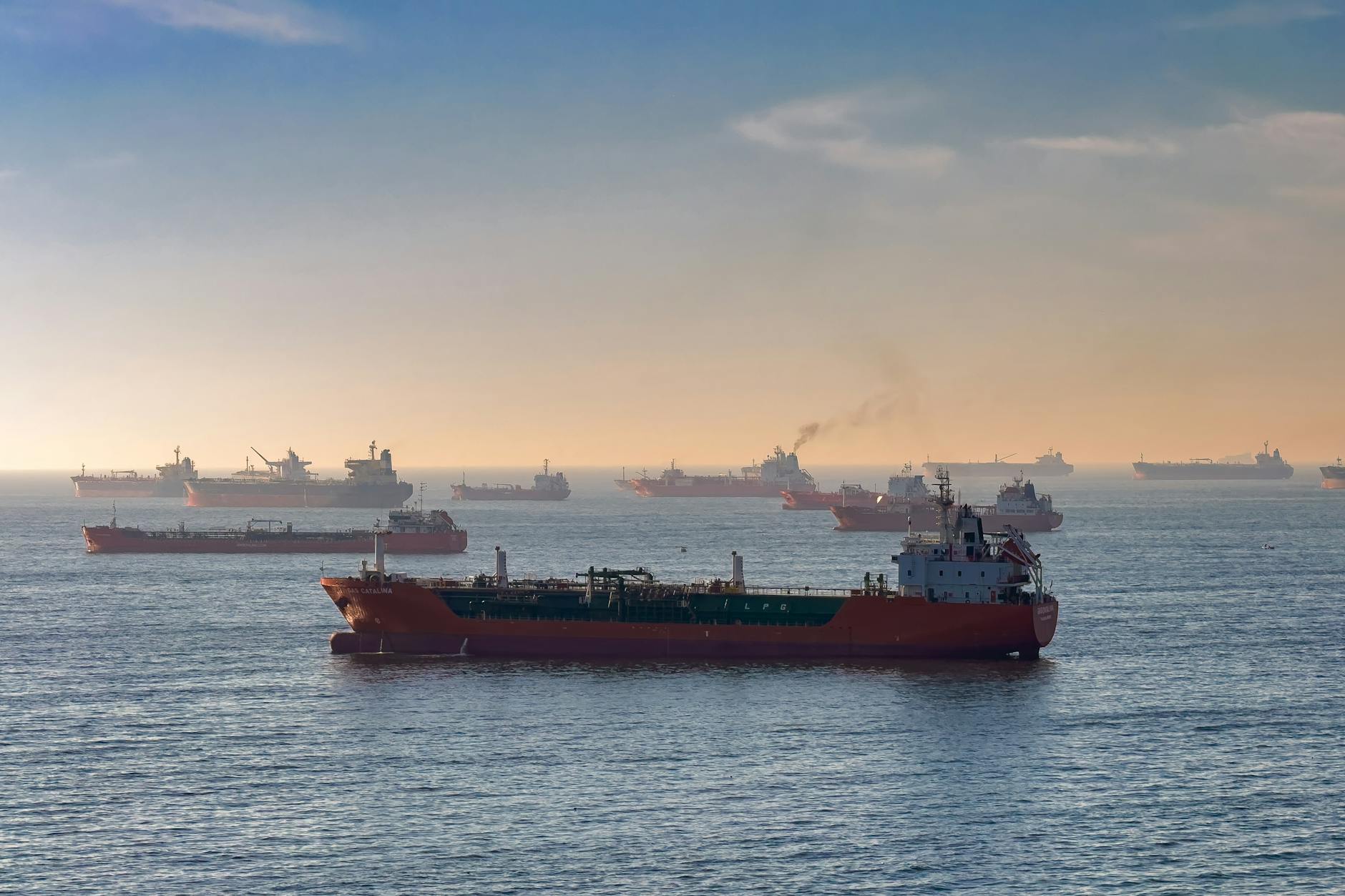
Mercuria Energy Group has taken the Baltic Exchange to court in London, claiming the shipping benchmark provider should have suspended its TD3C oil tanker rate after the Iran conflict disrupted exports through the Strait of Hormuz. The TD3C rate, which prices supertanker voyages from Saudi Arabia's Ras Tanura to China, underpins billions of dollars in freight contracts and derivatives.
Benchmark publication challenged amid market distortion#
Mercuria's lawyers argued that the Baltic Exchange continued publishing the rate to avoid losing business to competitors, despite market conditions that made accurate pricing impossible. Court documents show that on 14 April, a senior freight assessor described the risk of replacement by a rival as "the overriding fear of what we do here." One broker contributing to the index called it "utter nonsense" to provide an assessment on 2 April, given unprecedented disruption levels. The Baltic Exchange's own freight assessor submitted values with comments including "doesn't make any sense to shed an opinion on this route."
Freight costs surge to ten times normal levels#
The cost of shipping crude oil from the U.S. Gulf Coast to China reached $80 million in early October, ten times the average rate that held for years before the Iran war, according to Oilprice.com. Rates eased to around $60 million this week but remain economically prohibitive. Asian refiner orders for U.S. crude have dropped approximately 50 percent from September to about 25 million barrels for November delivery. Valero Energy reported that freight costs from the Gulf Coast to Asia now average $30 to $35 per barrel, compared with a 2025 average of around $5 per barrel.
Vessel availability collapses as Gulf of Oman transfers tie up fleet#
The Gulf of Oman shuttle fleet has expanded to about 80 very large crude carriers conducting ship-to-ship transfers outside the Strait of Hormuz. Average round-voyage times have reached 23 days, more than double the optimal 9 to 10 days for a trip from Basrah in Iraq to Sohar offshore Oman, according to Kpler. Record rates in the Persian Gulf are drawing tankers to the Middle East trade, leaving the market short on vessels elsewhere. If Asian orders remain at current levels, November could see the lowest volumes of U.S. crude delivered to Asia in seven years, vessel-tracking analysts reported.
Baltic Exchange defends benchmark methodology#
The Baltic Exchange, founded in 1774, maintains it was still possible to price freight risk and that it consulted consistently with the market after the Iran war disrupted Hormuz shipments. Chief Executive Officer Mark Jackson said the exchange has met all statutory, contractual and regulatory obligations in producing the TD3C benchmark. Lawyers for the Baltic Exchange stated that Mercuria has "huge index-linked exposures, which it has failed to risk manage" and is "reaching for any available argument" after being caught out by sharp rises in the benchmark. Flows through Hormuz have since recovered close to pre-war levels.
Sources3 sources across 3 domains
- oilprice.comOilprice.comTanker rates from U.S. Gulf Coast to China reached $80 million in early October, ten times pre-war average; Asian refiner orders for U.S. crude dropped 50 percent from September; Valero reported freight costs averaging $30-$35 per barrel versus $5 in 2025
- ft.comFinancial TimesMercuria challenging Baltic Exchange decision to continue publishing price estimates for shipping oil through Strait of Hormuz during the war
- gcaptain.comgCaptainMercuria filed London trial claiming Baltic Exchange should have suspended TD3C benchmark; court documents show 14 April call where assessor cited competitor replacement as "overriding fear"; broker called assessment "utter nonsense" on 2 April; Gulf of Oman fleet at 80 VLCCs with 23-day average rou
Each source above carries the claim it supports. Links open the publisher's own page; their text is not reproduced here beyond what the claim requires, and their rights remain theirs.
MENA Trade Monitor is published by Arabian Media Network. Pieces are produced by the Chokepoint Watch with AI-assisted synthesis of the cited sources and automated verification against the network's editorial policy. Every piece carries a desk rather than a reporter. Corrections are recorded on the piece and on the corrections page.
Transits, closures, advisories, war risk premia and rerouting cost for Hormuz, Bab el-Mandeb and Suez. Same day, same shape, always numbers.