
ChokepointsData
Iraq ships 2 million barrels via Hormuz on first VLCC run in decades
State tanker company completes maiden very large crude carrier voyage as Baghdad seeks alternative export routes following Strait disruption.
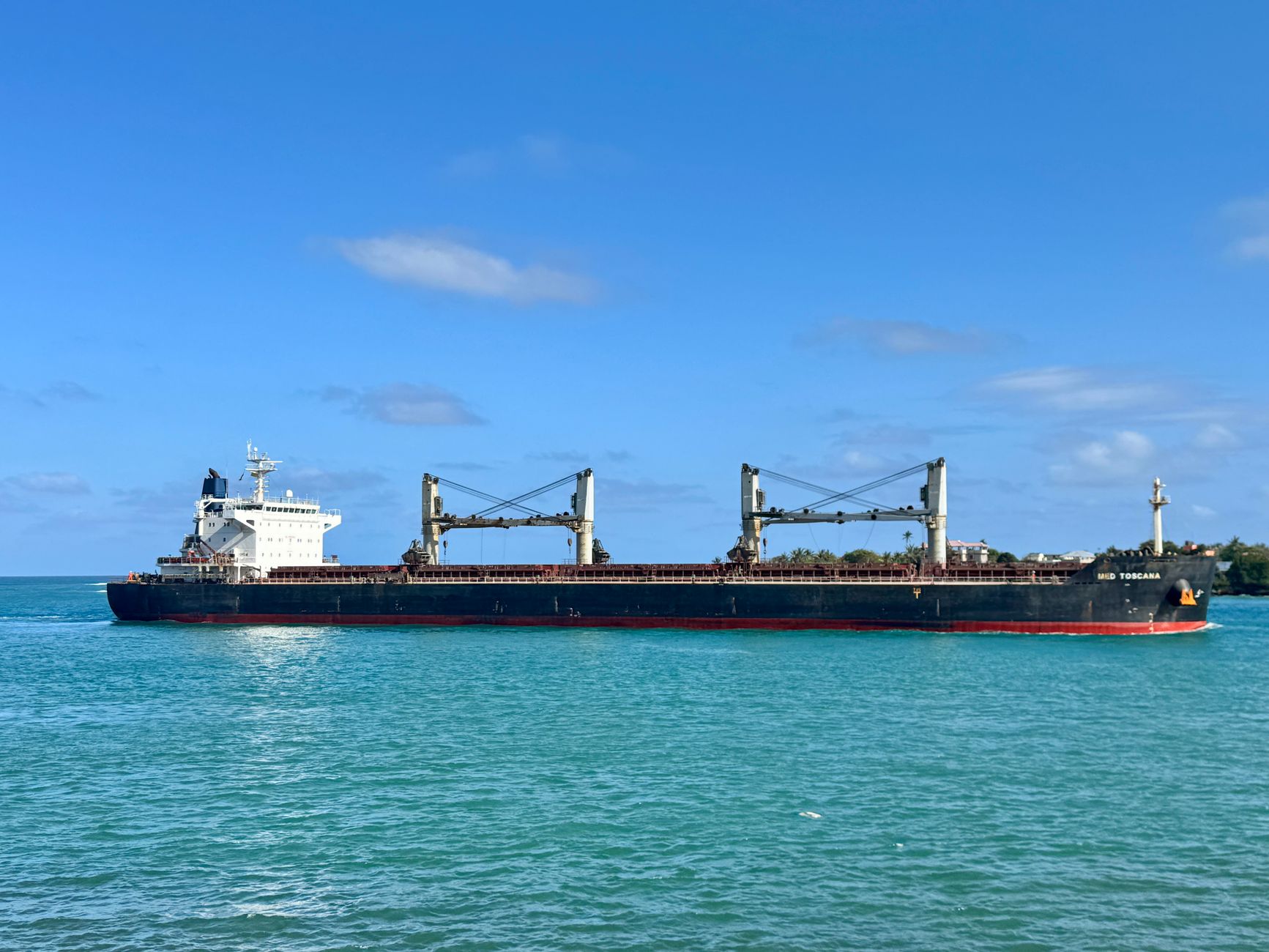
Iraq shipped 2 million barrels of crude oil past the Strait of Hormuz on its state tanker company's first very large crude carrier run in decades, according to Oil and Gas Middle East. The voyage marks Baghdad's push to maintain oil exports through alternative routes following disruption at the Strait of Hormuz, its main route to global markets. Rigzone reported that Iraq is seeking additional tankers to support ongoing exports via Hormuz.
Currency devaluation to increase oil revenue in dinars#
Iraq devalued the dinar to 1,520 against the US dollar from 1,320 on 8 October 2026, the first devaluation since 2023, the central bank said in a document published by the state news agency and reported by AGBI. The cabinet approved the devaluation to give Baghdad more dinars for each dollar of oil revenue, helping it meet domestic spending commitments. The move follows disruption to oil exports that squeezed government revenues and widened the fiscal deficit. Nabil Al-Marsoomi, economics professor at Basra University, told AGBI the devaluation will generate more dinar liquidity for Iraq and allow it to pay salaries, but will lead to a rise in prices.
Budget deficit widens to $22 billion in seven months#
Iraq's budget deficit increased by nearly $6 billion to about $22 billion in the first seven months of 2026, finance ministry figures cited by AGBI show. Oil export earnings made up most of Iraq's income, reaching nearly 30 trillion dinars over the seven-month period. The official gazette reported on 9 October that Iraq expects to spend nearly 217 trillion dinars ($167 billion) in 2027, with oil exports forecast to exceed pre-war levels and rise to around 4 million barrels per day. Baghdad forecasts a conservative oil price of $58 per barrel and expects a deficit of around $32 billion, far below the $49 billion deficit projected in Iraq's three-year budget of $153 billion for 2023-2025.
Refining margins surge as Middle East fuel flows limited#
Global refining margins soared in summer 2026 as limited flows of fuels from the Middle East and a Russian ban on diesel exports compounded the global fuel crunch, Oilprice reported. Shell's indicative refining margin for the third quarter jumped to $42 per barrel, up from $24 per barrel for the second quarter, the company said on 8 October 2026 in its third quarter update note. Refineries in the US, Europe and Asia have been struggling to offset an estimated 7 to 8 million barrels per day of refined petroleum products taken off the market. Norway's Equinor guided on 8 October for higher-than-previously expected earnings in its marketing, midstream and processing division, citing unusually strong European refining margins and optimization in third-party LNG trading.
Sources4 sources across 4 domains
- oilandgasmiddleeast.comOil and Gas Middle EastIraq shipped 2 million barrels past Hormuz on state tanker company's first VLCC run in decades
- rigzone.comRigzoneIraq seeking tankers to support ongoing Hormuz oil exports
- agbi.comAGBIIraq devalued dinar to 1,520 per dollar on 8 October 2026, budget deficit widened to $22 billion in first seven months of 2026, 2027 budget expects spending of 217 trillion dinars
- oilprice.comOilpriceShell's refining margin jumped to $42 per barrel in Q3 2026 from $24 in Q2, global refineries struggling to offset 7-8 million bpd of products taken off market, Equinor guided for higher earnings citing strong European refining margins
Each source above carries the claim it supports. Links open the publisher's own page; their text is not reproduced here beyond what the claim requires, and their rights remain theirs.
MENA Trade Monitor is published by Arabian Media Network. Pieces are produced by the Chokepoint Watch with AI-assisted synthesis of the cited sources and automated verification against the network's editorial policy. Every piece carries a desk rather than a reporter. Corrections are recorded on the piece and on the corrections page.
Transits, closures, advisories, war risk premia and rerouting cost for Hormuz, Bab el-Mandeb and Suez. Same day, same shape, always numbers.