
ChokepointsAnalysis
South Korea denies immediate Strait of Hormuz deployment plans
Presidential office says no decision made on military assets for the waterway as internal evaluations continue.
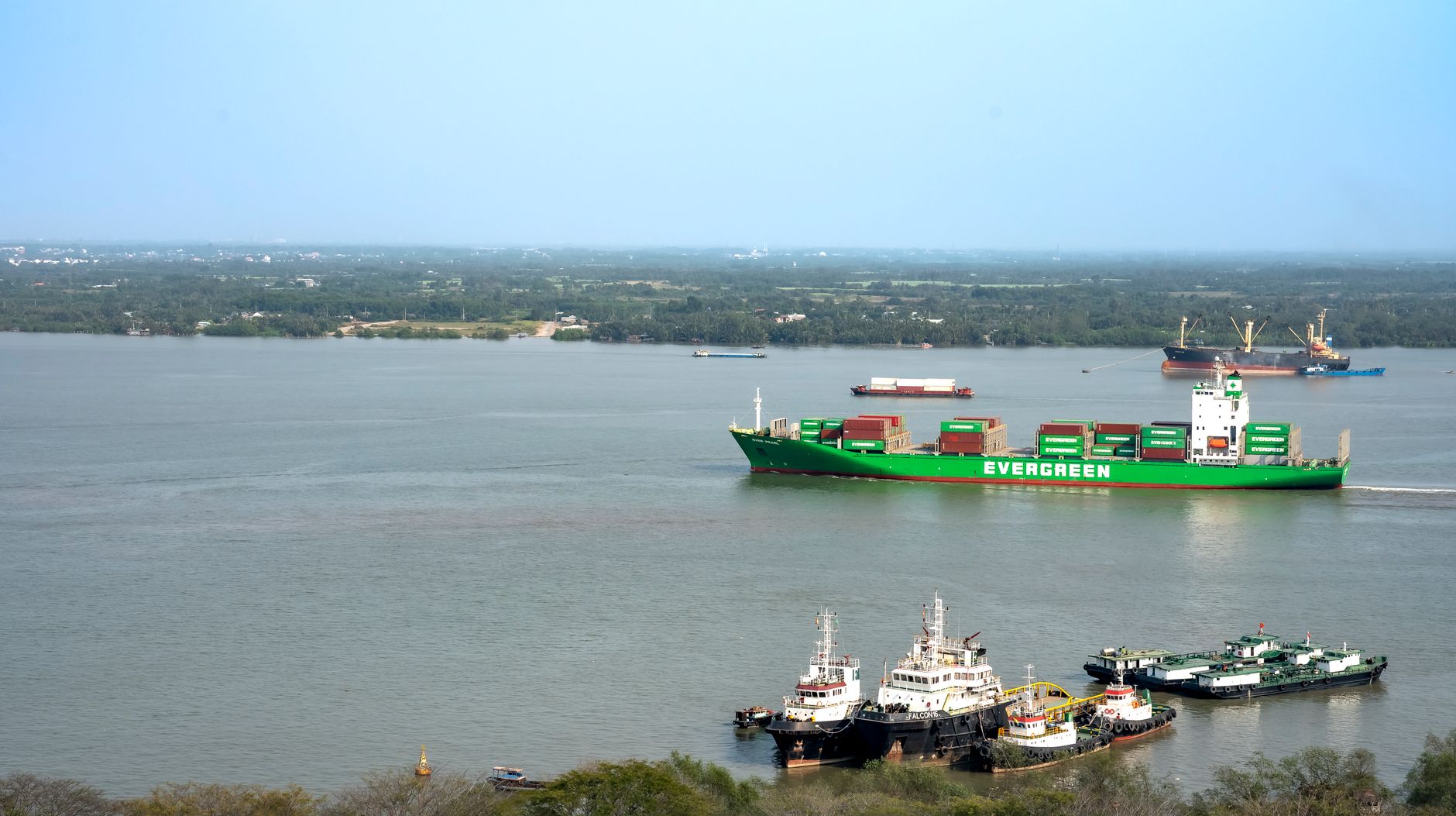
South Korea's presidential office on Friday denied reports that Seoul is preparing an immediate military deployment to the Strait of Hormuz, stating that "nothing has been decided" and that internal evaluations remain underway. A presidential official told The Guardian that claims of imminent deployment "differ from reality," emphasizing that the government continues consultations with international partners on supporting freedom of navigation and regional stability.
Reported deployment plans under review#
Domestic media reports had cited military sources claiming Seoul would seek National Assembly authorization for sending a P-8 Poseidon maritime patrol aircraft, a logistics support ship, and an explosive ordnance disposal unit to the strategic waterway. President Lee Jae Myung said at a news conference that he would not deploy military assets that would draw South Korea into conflict related to the Iran war, though the government is considering whether to expand its role safeguarding navigation through the strait. Officials stated that any future military commitment would need National Security Council review, cabinet authorization, and National Assembly ratification before proceeding.
Energy security exposure drives deliberations#
South Korea depends on the Strait of Hormuz for more than 90 percent of its primary energy supplies and around 70 percent of its crude oil imports, making the country acutely vulnerable to supply disruptions in the passage. U.S. President Donald Trump has criticized Seoul for its reluctance to commit military assets to the region, and in response reduced the duration of the joint "Ulchi Freedom Shield" military exercises between the two countries. Officials noted that consultations with international partners on practical ways to support freedom of navigation continue.
Government maintains consultative stance#
The presidential office emphasized that close consultations with international partners are ongoing to determine practical ways to support regional stability. The government's position remains that internal evaluations are underway and no final decision has been reached on any deployment. South Korea's consideration of an expanded role in safeguarding navigation reflects the country's energy security concerns while balancing domestic political requirements for parliamentary approval of any military commitment to the region.
Sources2 sources across 2 domains
- egyptindependent.comEgypt IndependentPresidential office denial of immediate deployment, 90 percent primary energy reliance, 70 percent crude oil imports via Strait of Hormuz, National Assembly approval requirement
- al-monitor.comAl-MonitorPresident Lee Jae Myung statement on not deploying assets that would draw country into Iran conflict, consideration of expanded navigation safeguarding role
Each source above carries the claim it supports. Links open the publisher's own page; their text is not reproduced here beyond what the claim requires, and their rights remain theirs.
MENA Trade Monitor is published by Arabian Media Network. Pieces are produced by the Chokepoint Watch with AI-assisted synthesis of the cited sources and automated verification against the network's editorial policy. Every piece carries a desk rather than a reporter. Corrections are recorded on the piece and on the corrections page.
Transits, closures, advisories, war risk premia and rerouting cost for Hormuz, Bab el-Mandeb and Suez. Same day, same shape, always numbers.