
ChokepointsAnalysis
Suez Canal, Hapag-Lloyd discuss expanding transits as services resume
SCA and German carrier meet in Ismailia as 63% of Far East-Europe capacity returns to Red Sea route.
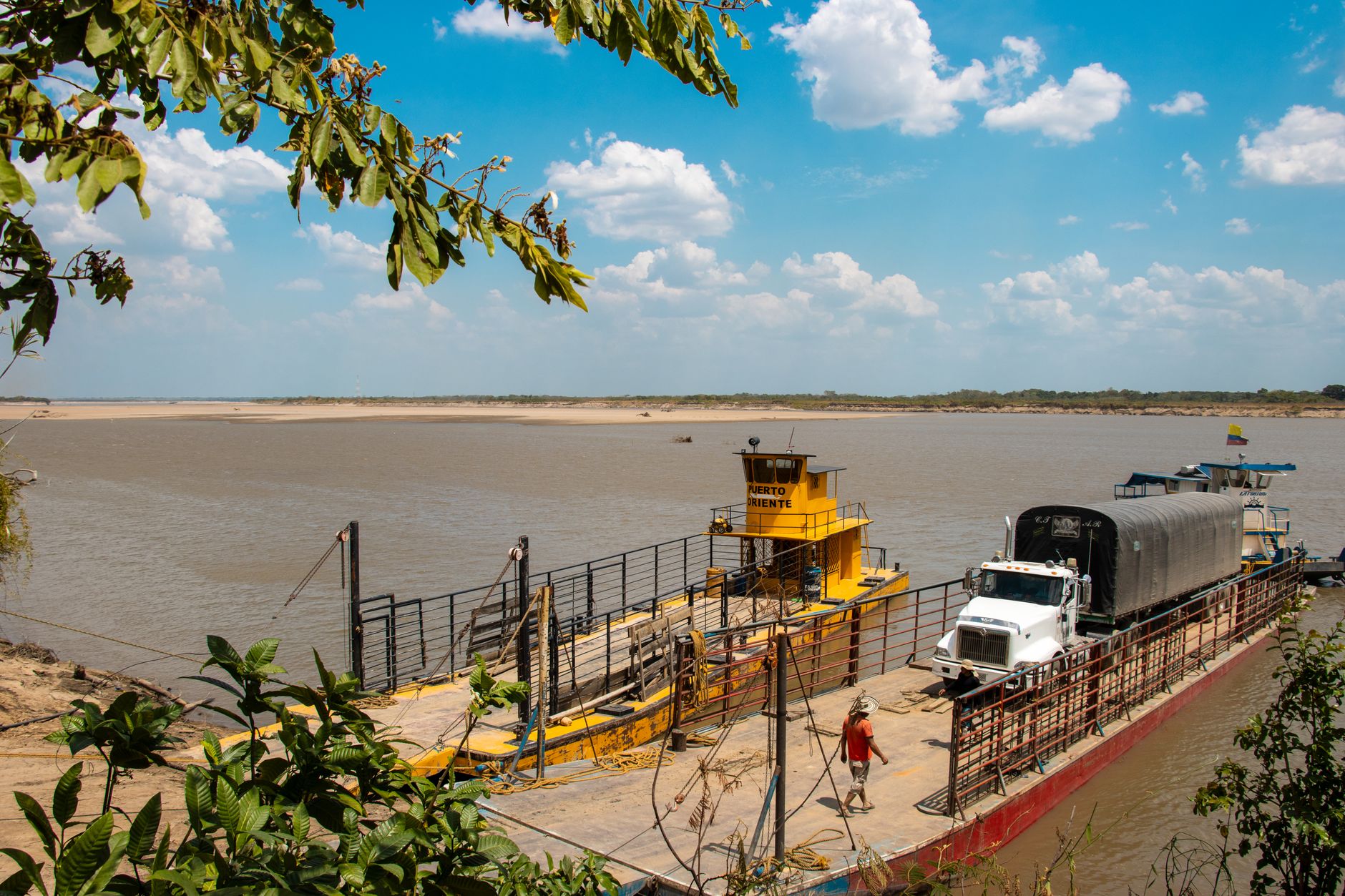
The Suez Canal Authority held talks with Hapag-Lloyd on 21 October 2026 to discuss expanding vessel transits through the waterway as the German carrier monitors security developments and considers resuming additional services. Osama Rabie, Chairperson of the SCA, met with Juan Pablo Richards, Hapag-Lloyd's regional head for Southern Europe, at the authority's headquarters in Ismailia. Richards stated that additional Hapag-Lloyd services are expected to resume Suez Canal transits in the coming period, supplementing the two services already operating through the waterway to and from Asia.
63 Percent of Far East-Europe Capacity Now Using Red Sea#
Some 63 percent of ocean capacity on Far East-Europe routes has shifted back to the Red Sea after three years of diversions around the Cape of Good Hope, according to an Alphaliner survey of the ten largest carrier networks conducted over the past month. The survey found 24 of the 46 direct services between the Far East and Europe now transit the Red Sea, representing 70 percent of deployed capacity on Far East-Mediterranean routes. On the Far East-North Europe trades, the figure stood at 58 percent, with containers moving between the Far East and Europe via Suez now topping 5.5 million TEU of the possible 8.7 million TEU available to the trades. CMA CGM alone accounts for 1.3 million TEU of this capacity.
Mixed Routing Patterns as Carriers Hedge Against Disruption#
Several operators are maintaining Cape of Good Hope routes despite the Suez return, with numerous services choosing to use the Bab-el-Mandeb Strait when sailing outbound to Europe while returning via the Cape. Of the ten carriers surveyed, five confirmed they had resumed Red Sea transits over the past month, a figure expected to reach eight following announcements by Premier Alliance partners HMM, ONE, and Yang Ming that they would return to the route. MSC resumed transits in August and now sends 2.2 million TEU over eleven loops through the waterway. Gemini partners Hapag-Lloyd and Maersk began bringing services back in July and now represent 1.76 million TEU of deployed capacity, while the Ocean Alliance's Cosco and OOCL have restored six services with a combined 1.27 million TEU.
Fuel Costs Drive Economic Case for Suez Route#
The carrier shift back to Suez is partly driven by economics, with lines seeking to reduce fuel consumption as bunker prices remain elevated. Very-low sulphur fuel oil has been trading at 881 dollars per tonne on the Singapore spot market, up 97 percent year on year, according to Alphaliner. The discussions between the SCA and Hapag-Lloyd also covered potential cooperation in maritime training, including collaboration between the SCA's Maritime Training and Simulation Academy and Damietta Alliance Container Terminal at Damietta Port, where Hapag-Lloyd is among the major investors.
Sources2 sources across 2 domains
- theloadstar.comThe Loadstar63% of Far East-Europe capacity returned to Red Sea, Alphaliner survey findings, carrier deployment figures, VLSFO price at $881 per tonne
- dailynewsegypt.comDaily News EgyptSCA-Hapag-Lloyd meeting on 21 October 2026, Rabie and Richards statements, two existing Hapag-Lloyd services, training cooperation proposal
Each source above carries the claim it supports. Links open the publisher's own page; their text is not reproduced here beyond what the claim requires, and their rights remain theirs.
MENA Trade Monitor is published by Arabian Media Network. Pieces are produced by the Chokepoint Watch with AI-assisted synthesis of the cited sources and automated verification against the network's editorial policy. Every piece carries a desk rather than a reporter. Corrections are recorded on the piece and on the corrections page.
Transits, closures, advisories, war risk premia and rerouting cost for Hormuz, Bab el-Mandeb and Suez. Same day, same shape, always numbers.