U.S. Authorizes Sale of 325 OFAC-Sanctioned Tankers for Non-Sanctioned Crude
Energy Secretary Wright says investors may buy and refurbish idled vessels to transport non-sanctioned oil as administration seeks to expand available fleet.
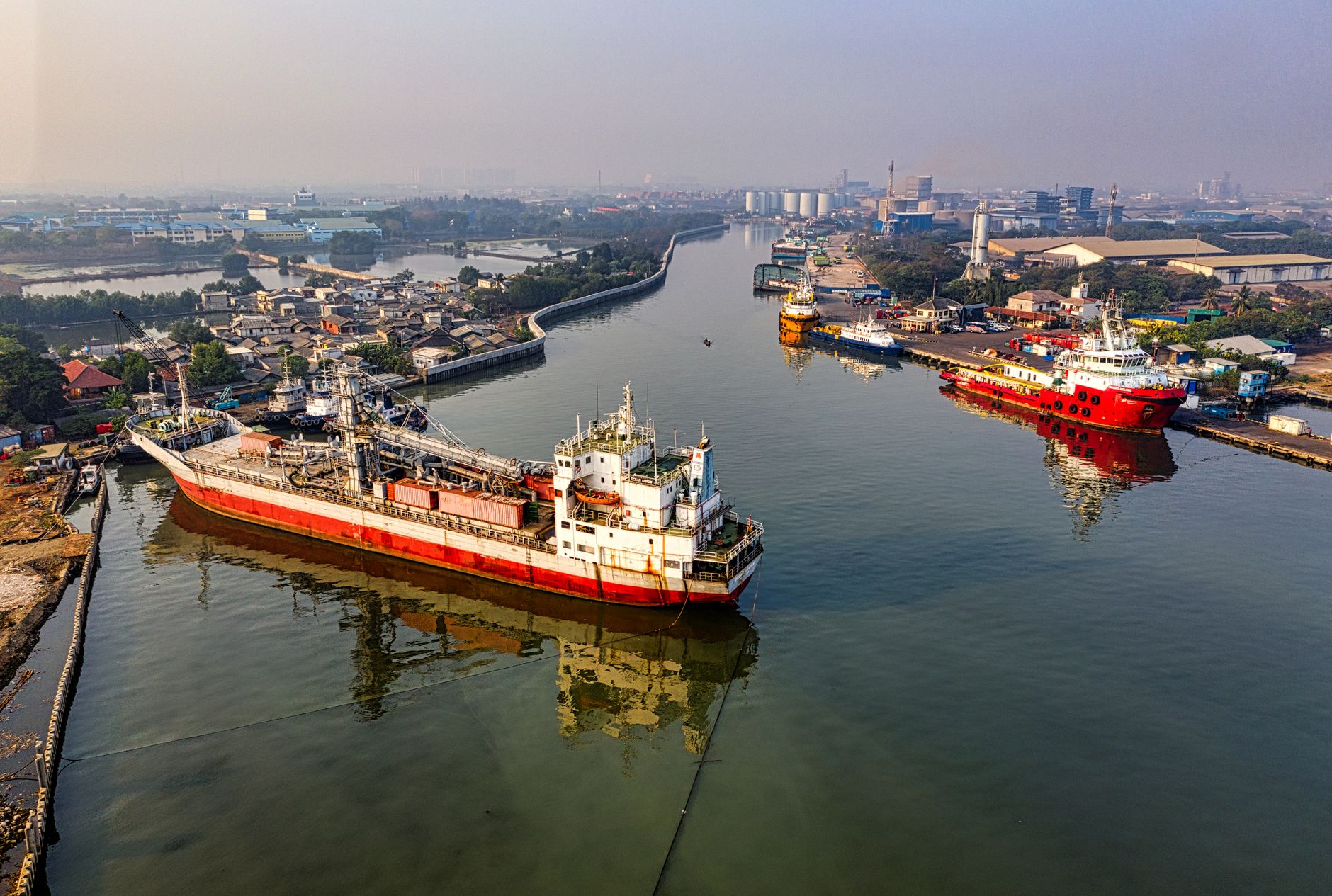
The U.S. administration is authorizing the sale and refurbishment of sanctioned oil tankers to enable their use transporting non-sanctioned crude, Energy Secretary Chris Wright said on 19 October 2026. Wright told a Citadel Securities event in New York that investors may purchase idled sanctioned vessels, refurbish them and deploy them to carry non-sanctioned oil. The process involves an approval mechanism to grant ships status for mainstream trade rather than removing existing sanctions, Wright said.
325 OFAC-Only Vessels Form Eligible Pool#
Of approximately 878 tankers under sanctions globally, representing 15 percent of the trading fleet, 325 are designated by the U.S. Office of Foreign Assets Control alone, according to Gibson. The OFAC-only pool includes 153 very large crude carriers, covering almost all of the 164 sanctioned VLCCs, Gibson reported. The pool also contains 28 of 116 sanctioned Suezmaxes and 42 of 322 Aframax and LR2 vessels. Around 40 clean product MR tankers, mostly in the East, are potentially available for mainstream trade. The U.S. can waive only its own designations, and cooperation from the European Union and United Kingdom appears unlikely, Gibson said.
Geographic Distribution Concentrates East of Suez#
Eighty-four percent of OFAC-only tankers operate in the Middle East, Indian Ocean or Far East, with 16 individual ships in European waters, Gibson reported. Any direct impact would be felt east of Suez, with Atlantic charterers benefiting only indirectly if sanctioned tonnage takes market share in the East and pushes mainstream ships to ballast west. Iran directly owns 64 sanctioned vessels including 38 VLCCs, with more possibly held by Iranian interests in other jurisdictions, Gibson said. Chinese and Hong Kong owners hold a further 43 vessels that could in theory trade in the Middle East. Where links to Iran's Islamic Revolutionary Guard Corps exist, OFAC may be reluctant to grant waivers, Gibson said.
Age and Classification Limit Immediate Availability#
Seventy percent of OFAC-listed tankers are 20 years or older, including 120 of the 163 VLCCs, Gibson reported. Without International Group P&I cover and IACS class, few charterers will be able to take these ships, Gibson said. Their most likely employment is on Hormuz shuttle runs, where recent attacks have constrained supply. Analytics firm Kpler estimated that only 24 of about 160 vessels under OFAC sanctions could return to mainstream trade after accounting for age and ownership restrictions. Kpler said that with war risk rather than vessel availability driving freight costs in the Middle East Gulf, sanctions relief risks delivering limited commercial benefits. The TD3C VLCC forward freight agreement market corrected downward over the past couple of days partly due to this news, Gibson said. The number of waivers granted will decide whether any market impact is felt, Gibson said.
Sources3 sources across 3 domains
- hellenicshippingnews.comHellenic Shipping News325 OFAC-only tankers in eligible pool, 153 VLCCs, geographic distribution, age profile, ownership breakdown
- thenationalnews.comThe NationalWright statement on 19 October 2026, 1,600 dark fleet estimate, Kpler analysis of 24 eligible vessels
- gcaptain.comgCaptainAuthorization mechanism, investor refurbishment process, dozens to hundreds potential additions
Each source above carries the claim it supports. Links open the publisher's own page; their text is not reproduced here beyond what the claim requires, and their rights remain theirs.
MENA Trade Monitor is published by Arabian Media Network. Pieces are produced by the Sanctions and Risk Desk with AI-assisted synthesis of the cited sources and automated verification against the network's editorial policy. Every piece carries a desk rather than a reporter. Corrections are recorded on the piece and on the corrections page.
Transits, closures, advisories, war risk premia and rerouting cost for Hormuz, Bab el-Mandeb and Suez. Same day, same shape, always numbers.